WORLD-BUILDING PROJECTS
Project Patrujo
Project "Patrujo" imagines a (mostly) decolonized, post-capitalist, solarpunk 12,100 H.E. through the medium of maps and flags.
Progress is currently underway. Regional Maps will be displayed here when they are created.
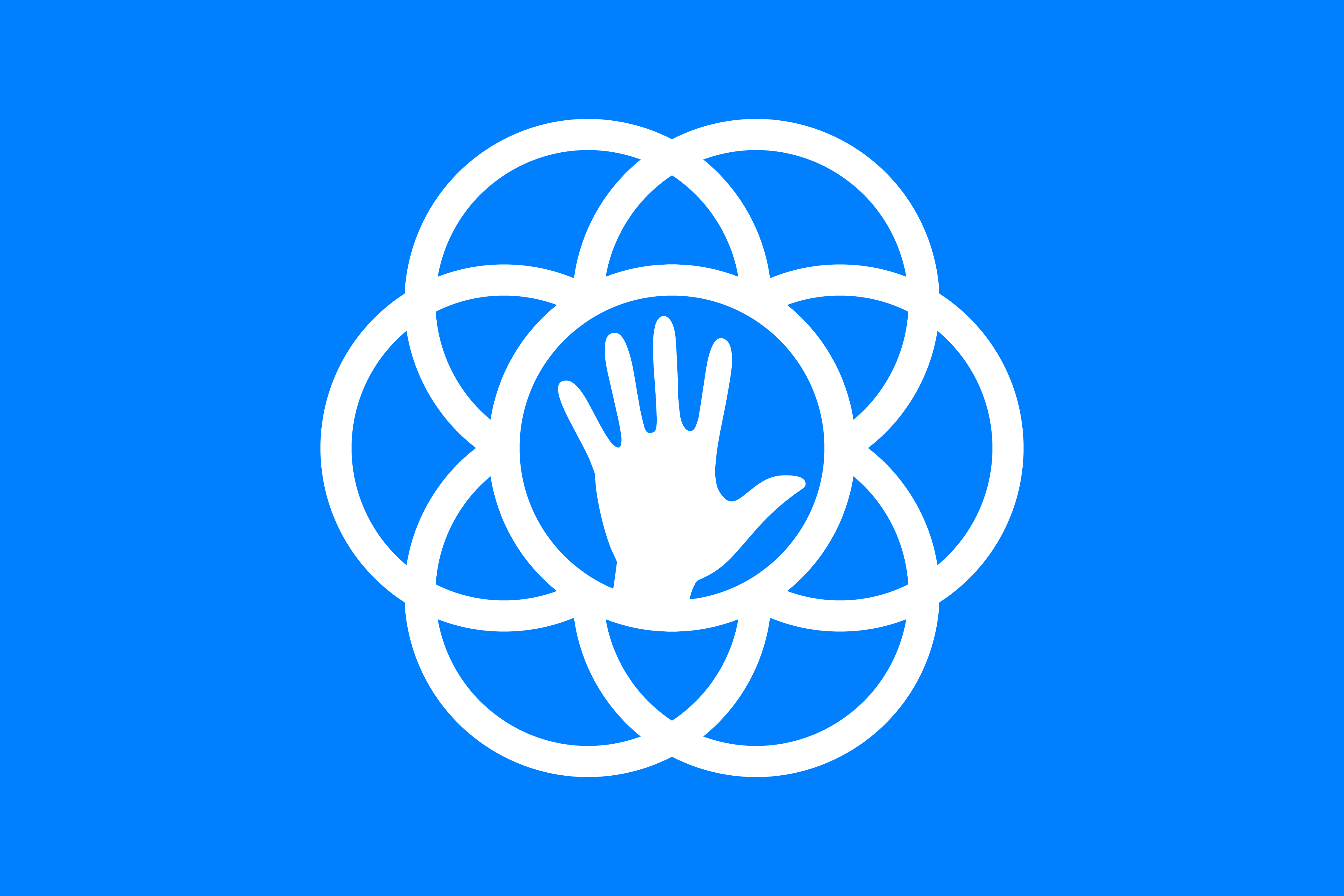
Flag of the Union of Nations
The polities of this world will be created with 3 core principles in mind:
◆ REPRESENTATION ◆
As many distinct peoples should recieve Nations or Autonomous Provinces as possible. The decision to create a polity for a given people group is encouraged if there is a current movement or historical precedent for such, or if the second principle deems it necessary.
◆ RESTORATION ◆
Peoples who have been repressed and/or victims of genocides should have some or all of their lands restored. This principle will apply strongest in the Americas. If land restoration is impossible, place names will be altered instead.
◆ RESTRAINT ◆
For any distinct people group, care should be taken not to over-represent them in the Council of Nations. One people, one Nation. For widespread people groups, this may not always be possible. Natural borders should be prioritized over purely cultural ones.
22,222 H.E.
The world that the Kosmousai are part of is a far-future interplanetary civilization.
By year 22,222 of the Human Era, humanity has harnessed near-limitless solar energy,
terraformed Venus and Mars, and established countless outposts and habitable satellites throughout the Solar System.
This world exists in the same timeline continuum as Project Patrujo.
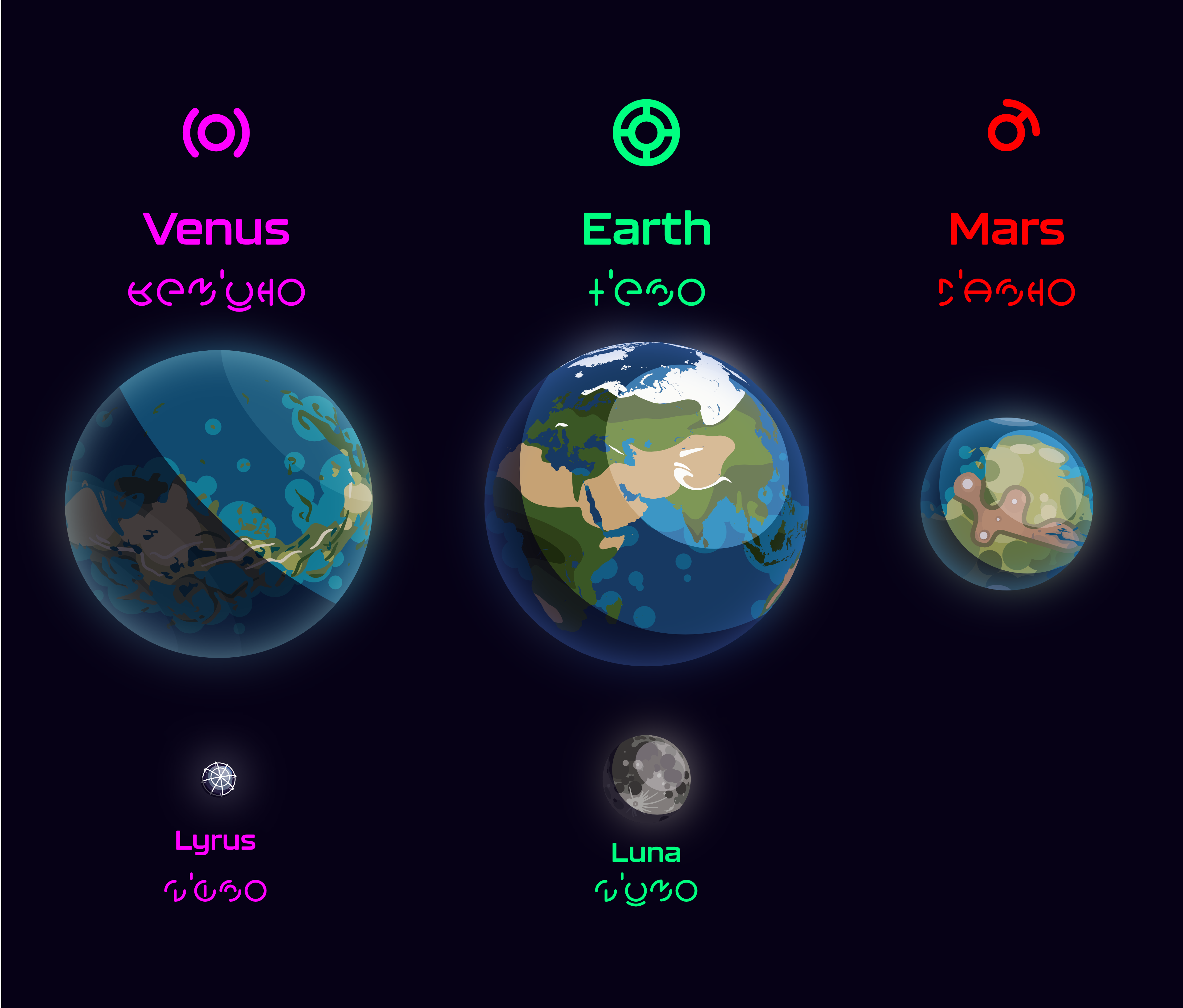
Depictions of the 3 permanently inhabited Planets and their spherical satellites.
Lyrus is an artificial moon composed primarily of CO2 from Venus' atmosphere.


Abstract visualizations showing the terraforming processes for Venus and Mars.
Open the images in another tab to examine them closer.
SIPA / SIFA
The language of 22,222 HE cannot be truly represented by any language today.
For creative purposes, it is rendered with a system of glyphs - termed Hyperionova - that map directly onto the International Phonetic Alphabet.
The language used as a stand-in for the common language of the System is Esperanto.
Text is translated into Esperanto then transliterated into IPA, and rendered with SIFA to produce a final text.
SIPA stands for Simplified Interplanetary Phonetic Alphabet (SIFA when translated)
Below is a copy of the preceding text, converted to SIFA using the method described:
la lˈinɡvo dˈe 22,222 ne pˌovas ˌesti vˈere rˌeprezentˈita per ˈiu lˈinɡvo hodˈia͡ʊ.
por kreˈiva͡ɪ t͡sˈelo͡ɪ, d͡ʒi ˌestas iɡˈita kun sistˈemo de ˌideoɡrˈamo͡ɪ - nˈomis hˌiperˌionˈova - tˈiu mˈapo rˈekte sur la ˌinternat͡sˈia fˌonetˈika ˌalfabˈeto.
la lˈinɡvo uzˈata kˌiel memstˈara por la komˈuna lˈinɡvo dˌela sistˈemo ˌestas ˌesperˈanto.
tˈeksto ˌestas trˌadukˈita en ˌesperˈanton tˈiam trˌanslitˌerumˈita en ˌifˌoˈa, ka͡ɪ iɡˈita kun hˌiperˌionˈova por prodˈukti fˈinan tˈekston.
Click here to view a chart showing every glyph in SIPA.
Hyperionova glyphs can also be chained together to form compound glyphs.
This was done with the names of each Kosmuse. Below is the compound glyph of "Kosmousai"
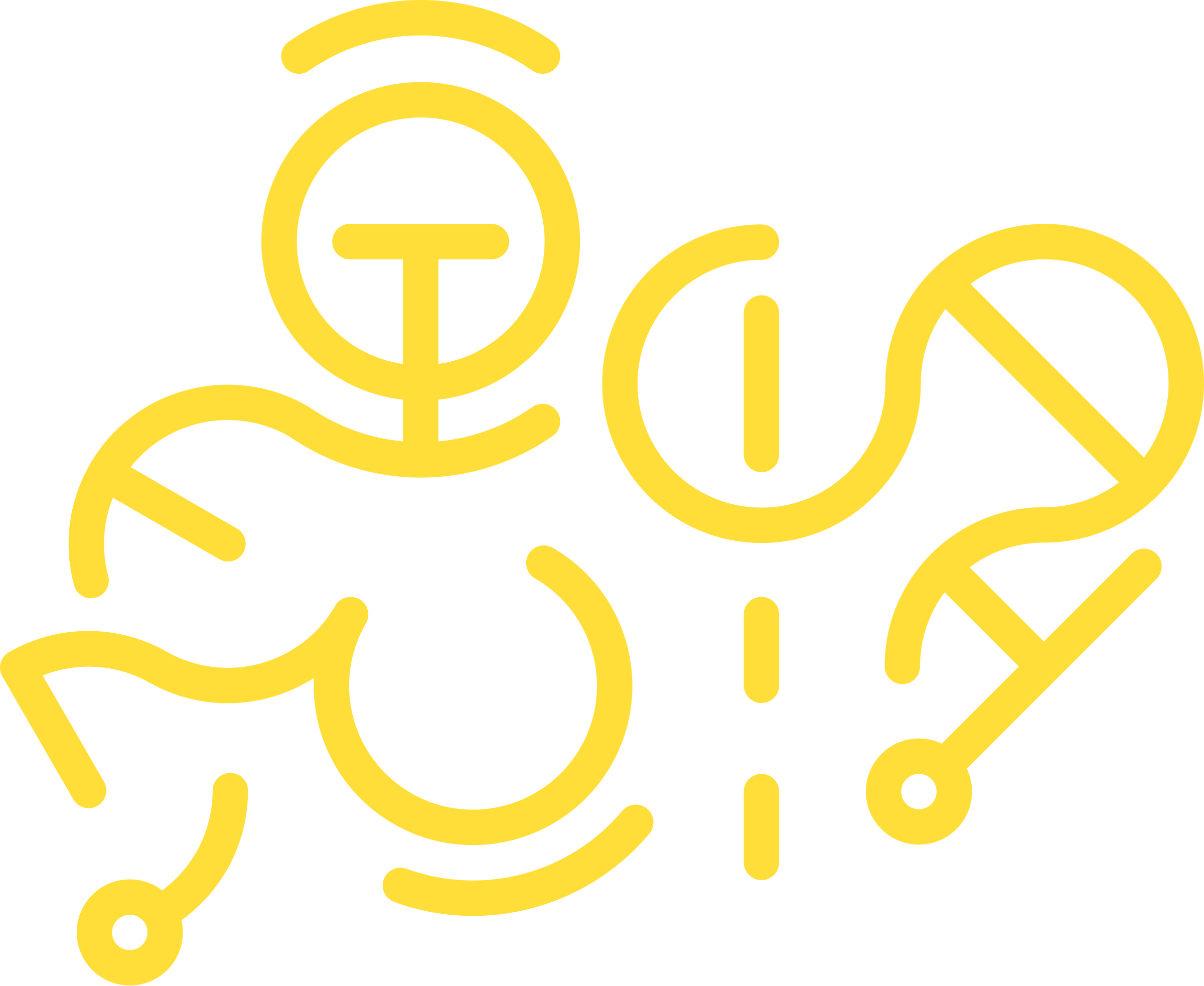
koz.muː.sai